
Archaeobotany
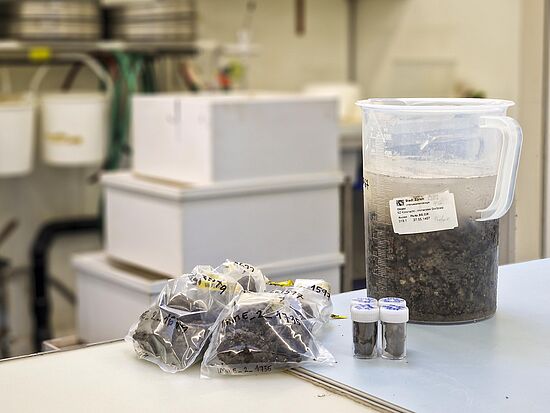
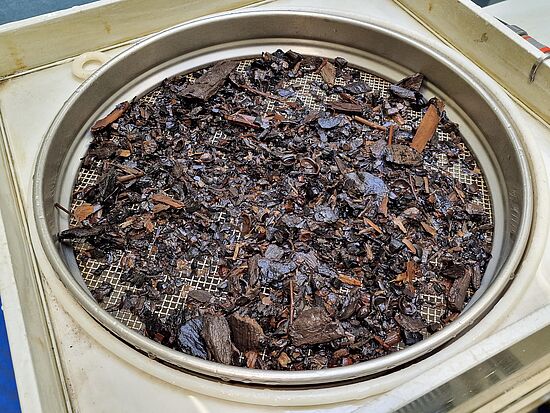
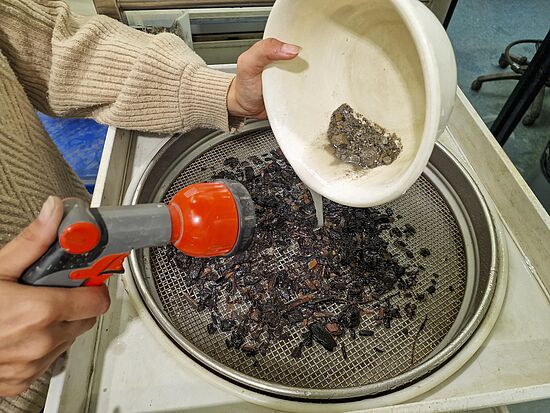
Due to waterlogging, uncharred organic material has been preserved in the organic layers of the lakeside settlement ‘Küsnacht-Immensee Dorfplatz’. The thus well-preserved plant remains offer great potential for reconstructing the natural environment, economic behaviour and the complex interactions between humans and the environment during the Late Neolithic. For example, it reveals what plant-based foods were consumed locally or how human activities during the settlement period altered the lake ecosystem. It becomes particularly interesting when such information from different locations or periods can be compared. In our project, we specifically aim to compare the plant spectrum from Immensee Dorfplatz with that of the site Zürich-Parkhaus Opéra to investigate whether evidence of seasonally focused use and a specific economic orientation can be found at Immensee Dorfplatz.
What makes the “Deciphering Lakeside Settlements” project unique is that every surface sample taken for the analysis of plant macroremains is also analysed using sedaDNA. This approach will enable us to directly compare the results of the two disciplines, comprehensively assess their respective strengths, weaknesses and blind spots, and establish a basis for future investigations of such sites.
Social Media