
University of Konstanz – Ancient Environmental Genomics
Palaeogenetic environmental research investigates past ecosystems using DNA traces found in ancient sediments.
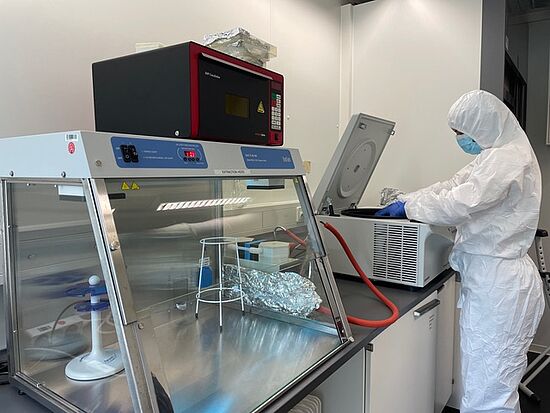
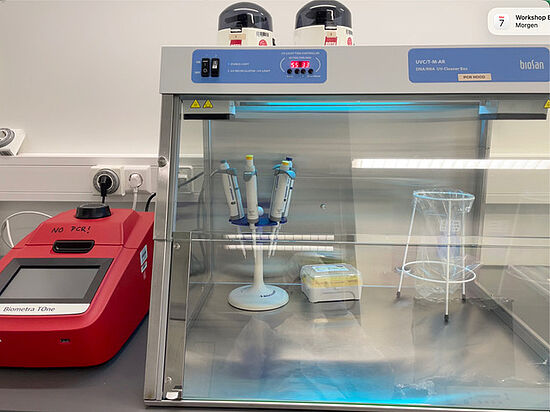
In DeciLak, ancient DNA is being analysed for the first time from the organically preserved layers of Neolithic pile dwellings. Our team at the University of Konstanz extracts genetic information from plants, animals and humans directly from the entire matrix of the cultural layers, rather than just from individual remains.
By combining our genetic data with the traditional disciplines of bioarchaeology, we aim to gain a better understanding of prehistoric economies and environments. This interdisciplinary collaboration helps us to test our methods and see exactly how early humans influenced their local ecosystems.
Particular attention will be paid to ensuring that the various disciplines help one another to identify their respective blind spots, strengths and weaknesses, and to address any emerging gaps through a joint approach.
Tagungsbeiträge / Conference Contributions
Genomic footprints of anthropogenic impact in Neolithic pile-dwelling sediments (International Conference on Palaeogenomics in Stockholm)
Decoding the Wetlands: New Methods and Multidisciplinary Approaches to Waterlogged Archaeology (EAA in Athens Greece, Session co-organizer)
Social Media